


Universal Healthcare
UnIversal HealthCare - As A Human Right
Universal Healthcare is A Foundation for Human Dignity. There is no dignity in watching someone you love delay treatment baecause they can’t afford the bill. No freedom in living one illness away from financial ruin. Healthcare should not be a privilege of wealth or luck, it should be a foundation beneath every life.
In countries with universal healthcare systems, people see doctors without fear, access medications without debt, and recover without bankruptcy. These aren’t utopias. They’re working systems, and they prove that when care is made public, health outcomes improve, costs stabilise, and communities thrive.
Why Universal Healthcare as a Human Right
And the Risks of Doing Nothing
78%
GP visits bulk billed in 2023. Down from 87% a decade ago and falling every year.
What We Had with Universal Healthcare
Medicare, Australia’s version of Universal Healthcare, didn’t arrive quietly. It was fought for, bitterly, deliberately, against the organised opposition of the medical establishment, the insurance industry, and a political class that preferred the status quo.
Gough Whitlam’s government introduced Medibank in 1975 as part of a broader vision that Australia could be a country that genuinely took care of its people. Free healthcare. Free education. A nation that invested in its citizens rather than extracting from them. The result, for a brief period, was one of the most educated, healthiest, and economically mobile populations in the developed world.
It was also one of the most threatening things an Australian government had ever done to entrenched interests. Within months, Whitlam was dismissed, in circumstances that remain constitutionally controversial to this day, and the dismantling began.
Medibank was restructured. Privatised elements crept in. Rebates fell behind costs. The vision of a fully public system was quietly shelved, policy by policy, budget by budget, until what remained was a Medicare that still carried the name but increasingly struggled to deliver the promise.
The fight that won us free healthcare was real. The system it built was remarkable. And the erosion of universal healthcare since has been equally deliberate.
600,000+
Australians who delayed or avoided medical care in 2022 due to cost.
What We Lost with Universal healthcare
Australia version of a Universal Healthcare system didn’t collapse. It was hollowed out. Successive governments, Liberal governments most aggressively, Labor governments most complicitly, allowed Medicare rebates to fall behind the actual cost of running a practice.
Today, bulk billing rates have fallen to their lowest levels in decades. In some areas, it has effectively disappeared. The public system that was supposed to make private health insurance optional has been so deliberately starved that millions of Australians now pay three times: in taxes for Medicare, in premiums to private insurers, and in gap fees when neither covers the full cost.
Dental care was supposed to be part of it. It was removed before Medicare even launched because the private dental lobby fought hard enough, and the political will wasn’t strong enough. We’ve been paying for that compromise ever since.
$7.7 Billion
Annual cost of potentially preventable hospitalisations, which primary care could have caught earlier and cheaper.
Universal Healthcare: Global Trials and Lessons

Australia
Medicare At The Crossroads
Once world-leading, Australia’s universal system is now under strain. Bulk billing declines, long waits, and creeping privatisation threaten the “fair go” ideal.

United Kingdom
NHS Under Pressure
The NHS remains a symbol of public health care – but austerity and political mismanagement have left it fragile. Still, no one is bankrupted by treatment.

Canada
Public Care, Private Gaps
Canada’s universal model ensures hospital and doctor access, but lacks coverage for prescriptions, dental, and vision. A hybrid system with growing calls for reform.
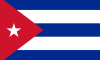
Cuba
Health with Limited Resources
Despite economic hardship, Cuba prioritises universal primary care. Community doctors, low infant mortality, and long life expectancy show what prevention can do.

USA
A System Costs Lives
The US spends more per person than any nation, but millions remain uninsured or underinsured. Medical debt is a leading cause of bankruptcy. Life expectancy is falling.

Global Rankings
Where Universal Care Works
See how different countries rank in access, affordability, and outcomes – and why universal systems consistently outperform on value and life expectancy.
Where the Problem Lies
Medicare was designed to make private health insurance optional. For most of its history, it delivered on that promise. Then, systematically and deliberately, the rebates that fund bulk billing were allowed to fall behind the actual cost of running a medical practice. Doctors who bulk billed were quietly subsidising the gap with their own incomes. Eventually, many couldn’t, and bulk billing rates have been falling ever since.
Into that gap stepped private health insurance. Not as a genuine alternative but as a tax. Australians who can’t afford gap fees are pushed toward private cover. And then the government subsidises that private cover to the tune of $7.9 billion a year, public money, flowing to private insurers, to patch a hole that public money could have prevented in the first place.
Those insurers provide no healthcare. They employ armies of administrators to decide what they will and won’t cover. They return profits to shareholders. Many of the private hospitals they service are operated by religious organisations that pay no corporate tax, yet depend on public subsidy to remain viable.
Meanwhile bulk billing continues to fall. Emergency departments absorb the overflow of people who couldn’t get a GP appointment. And the gap fees that were supposed to be occasional have become routine.
Universal healtcare in Australia does not have a funding problem. The money exists, $7.9 billion of it flows in the wrong direction every year. This is a political problem. And political problems have political solutions.
The Private Health Problem
Australia currently spends $7.6 billion per year subsidising private health insurance, an industry that adds cost without adding care. Two companies, Medibank and Bupa, control over 52% of the market.
The academic consensus is clear: if the annual subsidy were abolished, the cost of absorbing displaced public sector demand would be less than the current subsidy cost. Yet 45.6% of Australians hold private hospital cover, and the industry has proven capable of mobilising members against any reform that threatens their coverage. This creates a political deadlock where the evidence and the policy remain permanently disconnected.
Meanwhile, the private hospital sector recorded a $34 million operating loss in 2023–24, the first time on record, while simultaneously lobbying for increased government subsidies. Australia is paying $7.6 billion annually to prop up a system that is both financially failing and delivering worse outcomes per dollar than the public alternative.
What We Propose for a Return to Universal Healthcare — As a Human Right
Not a revolution. A restoration and an expansion.
- Restore Medicare rebates to reflect the actual cost of care.
- Reinstate bulk billing as the genuine default, not the exception.
- Add dental, psychology, physiotherapy, dietetics, podiatry and exercise physiology to what Medicare covers, because these are not luxuries, they are prevention. And prevention is the cheapest form of healthcare we have.
- Incentivise practitioners to work in underserved areas. Fund 24-hour urgent care clinics that take pressure off emergency departments.
- And treat health not as something we fix when it breaks, but something we actively invest in before it does.
For more information on the statistics and data around Universal Healthcare, check out the World Health Organisation or the Medical Journal of Australia.
And for more information on other WeRise policies, check them out here.