Foundational Works of Civilisation
Every civilisation rests on a set of texts it may have forgotten it is still obeying. The laws, philosophies, constitutions, and founding arguments that shaped the world we live in were written by specific people in specific moments, and understanding them is the beginning of understanding why the present looks the way it does. The foundational works of civilisation wing collects the works that built the intellectual and institutional foundations of the modern world, from the earliest surviving philosophical texts to the documents that still govern billions of lives.
The Original Dreamers - Utopian Visions
Every society is built on someone’s idea of what the ideal society should look like. This shelf collects the works that dared to imagine the world entirely differently; from More’s Utopia to the anarchist and socialist traditions to the contemporary thinkers still sketching blueprints for a world that doesn’t exist yet. Essential reading for anyone who wants to understand both the possibilities and the persistent failures of human social organisation.
Utopia
Th e Laws That made Us - Foundational Legal Texts
The Magna Carta was not a democratic document. It was a list of grievances from powerful barons directed at a king who had overstepped. And yet it planted a seed that grew into the entire tradition of constitutional government and human rights. This shelf collects the primary legal texts that shaped Western and global legal traditions, the documents that established, for better or worse, how power is supposed to be constrained.
The Picture of Dorian Gray
The Art of War
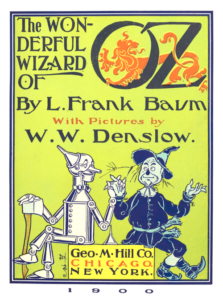
The Wonderful Wizard Of Oz
The Odyssey
The Conquest of Bread
Utopia
The Examined State - Political Founding Documents
Constitutions are arguments about human nature written into law. This shelf collects the great founding documents of political history. constitutions, declarations, charters, and manifestos that established new political orders and new ideas about what government is for and who it serves.
The Picture of Dorian Gray
The Art of War
The Wonderful Wizard Of Oz
The Odyssey
The Conquest of Bread
Utopia
Sacred Texts & Their Shadows
The great religious texts of human civilisation are also its great literary, philosophical and historical documents. Whatever one believes about their divine origin, their influence on law, politics, art, ethics, and daily life across millennia is simply factual. This shelf approaches them as the foundational documents they are studied with respect, examined with rigour.
The Picture of Dorian Gray
The Art of War
The Wonderful Wizard Of Oz
The Odyssey
The Conquest of Bread
Utopia
The First Philosophers
Thales of Miletus asked what everything was made of and guessed water. He was wrong, but he was asking the right kind of question for the first time in recorded history. This shelf collects the works of the pre-Socratics, Plato, Aristotle, and the Hellenistic philosophical schools, the foundational texts of Western philosophical tradition.
The Picture of Dorian Gray
The Art of War
The Wonderful Wizard Of Oz
The Odyssey
The Conquest of Bread
Utopia
The Art of War & the Science of Peace
Sun Tzu’s Art of War has been read by more corporate executives than military commanders, which tells you something interesting about both. This shelf collects the foundational works on conflict, strategy, diplomacy and the pursuit of peace, from the ancient strategists to the modern theorists of international relations and conflict resolution.
The Art of War
The Great Constitutions
A constitution is a society’s attempt to bind its future self. This shelf collects and contextualises the great constitutional documents of history with attention to both what they promised and how consistently those promises were kept, broken, or extended to people they originally excluded.
The Picture of Dorian Gray
The Art of War
The Wonderful Wizard Of Oz
The Odyssey
The Conquest of Bread
Utopia
Myths That Became Nations
Every nation is built on stories it tells itself about where it came from and why it deserves to exist. This shelf collects the foundational myths, epics and national narratives that shaped collective identity across civilisations — and the critical works that examine what those stories reveal about the societies that needed them.
The Picture of Dorian Gray
The Art of War
The Wonderful Wizard Of Oz
The Odyssey
The Conquest of Bread
Utopia
The Founding Economists
Adam Smith did not invent capitalism. He described and justified a system already in motion, and in doing so gave it a language and a philosophy. This shelf collects the foundational works of economic thought: Smith, Ricardo, Mill, Marx, Keynes, and the thinkers who built the frameworks through which the modern world still understands wealth, labour and exchange.
The Picture of Dorian Gray
The Art of War
The Wonderful Wizard Of Oz
The Odyssey
The Conquest of Bread
Utopia
Letters That Changed Everything
Some of the most consequential documents in history were private correspondence, letters that circulated among a small group and changed the course of thought, science, or politics. This shelf collects the great letters, pamphlets, and short-form writings that punched far above their size, from Paine’s Common Sense to the correspondence of the great scientists to the letters that started revolutions.
The Picture of Dorian Gray
The Art of War
The Wonderful Wizard Of Oz
The Odyssey
The Conquest of Bread
Utopia
Foundational Works of Civilisation
The texts collected in the Foundational Works of Civilisation wing of the Librarium are the load-bearing beams of human thought. Mathematics, philosophy, science, logic, and metaphysics did not emerge fully formed; they were argued into existence across centuries of observation, error, revision, and insight. Some of these works changed the world immediately. Others waited generations to be understood. Together, they form part of the intellectual architecture upon which much of modern civilisation still rests. Browse the shelves above, or return to the Librarium to explore the other wings. For readers seeking deeper academic context, the Internet Encyclopedia of Philosophy and the Stanford Encyclopedia of Philosophy remain among the finest free scholarly resources available online.

Animal Farm